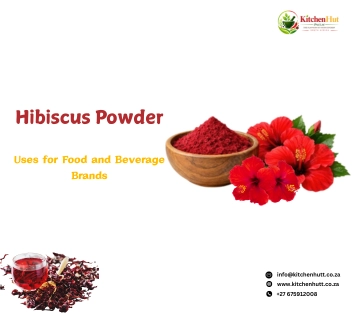
Hibiscus has become an increasingly popular botanical ingredient for food and beverage manufacturers looking to create products with vibrant color, refreshing flavor, and a distinctive natural appeal. Made from carefully dried hibiscus flowers and finely milled into a smooth powder, hibiscus powder can be incorporated into a wide range of commercial formulations. Its naturally tart, fruity character and deep red-to-burgundy appearance make it particularly attractive to brands developing visually appealing, flavor-forward products.
For food and beverage companies, hibiscus powder offers more than an interesting ingredient. It can help manufacturers develop new product concepts, differentiate existing formulations, and respond to growing consumer interest in botanical and plant-based ingredients. From beverages and desserts to functional food blends and specialty products, there are many practical ways brands can explore the potential of hibiscus powder.
What Is Hibiscus Powder?
Hibiscus powder is produced by drying hibiscus flowers and grinding them into a fine powder. Depending on the hibiscus variety, processing method, and growing region, the powder can have varying shades of red, purple, or burgundy, along with a characteristic tangy, slightly fruity flavor.
The ingredient is particularly valued for its naturally striking appearance. When added to suitable formulations, hibiscus powder can contribute a rich color while also introducing a pleasantly acidic flavor profile. This combination makes it useful for manufacturers that want to create products with a recognizable botanical identity.
For commercial applications, ingredient quality is important. Food and beverage brands should consider factors such as cleanliness, particle size, moisture content, color consistency, aroma, packaging, and batch-to-batch uniformity when selecting a hibiscus powder supplier.
1. Hibiscus Powder in Functional Beverages
One of the most promising applications for hibiscus powder is the beverage industry. Consumers are increasingly interested in drinks featuring botanical ingredients, natural flavors, and visually distinctive formulations.
Hibiscus powder can be used in powdered beverage mixes, instant drink preparations, herbal beverages, specialty teas, and other formulations where its tart flavor and natural color are desirable.
Brands can combine hibiscus with ingredients such as lemon, ginger, mint, berries, apple, or citrus flavors to create refreshing beverage profiles. Its acidity can provide a flavor dimension that works particularly well in fruit-inspired drinks.
Hibiscus-based beverage concepts may include:
-
Instant hibiscus drink mixes
-
Botanical beverage powders
-
Herbal drink blends
-
Fruit and hibiscus beverages
-
Refreshing summer drink formulations
-
Specialty wellness-oriented beverages
-
Tea and infusion blends
For manufacturers, powdered hibiscus can also provide flexibility because it can be measured and incorporated directly into dry formulations.
2. Hibiscus Powder for Herbal and Botanical Tea Products
Tea brands can use hibiscus powder as an ingredient in botanical blends. Hibiscus is traditionally associated with tart, refreshing herbal infusions and pairs well with numerous herbs, flowers, fruits, and spices.
Manufacturers may combine hibiscus with rose, chamomile, mint, ginger, cinnamon, lemongrass, or dried fruit ingredients to develop distinctive tea products.
Although whole dried hibiscus flowers are commonly used for brewing, powder can offer a different formulation opportunity. It can be incorporated into instant tea mixes, powdered drink products, and blended botanical preparations where a fine ingredient is preferred.
For brands positioned around natural ingredients, hibiscus can also contribute to an attractive product story centered on botanicals and traditional plant-based ingredients.
3. Application in Smoothies and Fruit Blends
Smoothie and fruit beverage brands can explore hibiscus powder as a flavor and color ingredient. Its tangy profile can complement sweeter fruits and help create a more complex taste.
Hibiscus works particularly well with berry-inspired formulations. It can be paired with strawberry, raspberry, blueberry, pomegranate, watermelon, or mixed-fruit profiles.
For powdered smoothie mixes, manufacturers can combine hibiscus with fruit powders and other plant-based ingredients to create convenient dry blends.
The ingredient may also appeal to brands developing colorful beverage products for consumers who appreciate distinctive natural-looking formulations.
4. Hibiscus Powder in Bakery Products
The potential uses of hibiscus powder extend beyond beverages. Bakery manufacturers can experiment with it in cakes, muffins, cookies, frostings, fillings, and specialty baked products.
Its characteristic color can add visual interest to selected formulations, while its tart flavor can complement sweet ingredients. Hibiscus can be combined with chocolate, vanilla, citrus, berries, or cream-based flavors to create unusual flavor combinations.
For example, a bakery brand could develop a hibiscus-and-berry muffin, a hibiscus-flavored frosting, or a specialty cake featuring hibiscus as part of its flavor profile.
However, manufacturers should conduct formulation trials because heat, pH, processing conditions, and other ingredients can influence the final color and flavor of botanical powders.
5. Hibiscus Powder for Desserts
Dessert manufacturers can use hibiscus powder to create innovative products with a floral-fruity character. It can be incorporated into selected formulations such as puddings, jellies, sauces, dessert powders, ice creams, sorbets, and flavored toppings.
Hibiscus pairs especially well with sweet and creamy profiles because its tartness can help balance sweetness. A dessert containing berries, citrus, vanilla, or coconut may provide a suitable foundation for hibiscus experimentation.
For premium food brands, hibiscus can also help create a more sophisticated botanical flavor profile compared with conventional fruit flavors.
6. Use in Sauces, Syrups, and Fruit Preparations
Hibiscus powder can also be considered for sauces and syrup formulations. Its tart character makes it suitable for products where manufacturers want to introduce acidity and a fruit-like botanical note.
Food brands could explore hibiscus in:
-
Dessert syrups
-
Fruit sauces
-
Beverage concentrates
-
Cocktail and mocktail mixers
-
Specialty toppings
-
Glazes
-
Gourmet condiment formulations
The ingredient can be paired with citrus, berries, ginger, chili, or spices to develop distinctive flavor combinations.
This creates opportunities for premium and specialty food companies seeking ingredients that can give familiar products a new identity.
7. Hibiscus Powder in Confectionery
Confectionery is another area where hibiscus powder can inspire product innovation. Its vibrant appearance and tart flavor can complement sweet confectionery formulations.
Manufacturers may investigate applications in candies, gummies, coated products, flavored sugar blends, dessert toppings, and specialty confectionery.
The contrast between sweetness and hibiscus's natural tartness can create an appealing flavor experience. When used in combination with fruit flavors, it can help manufacturers develop products with a more complex taste profile.
As with any botanical ingredient, formulation testing is essential to determine the appropriate inclusion level, stability, texture, and final sensory characteristics.
8. Plant-Based and Natural Food Products
The growth of plant-focused food categories has encouraged manufacturers to explore recognizable botanical ingredients. Hibiscus fits naturally into this product-development environment because it is a plant-derived ingredient with a distinctive culinary identity.
Brands producing plant-based drink mixes, natural food blends, botanical snacks, and specialty foods can evaluate hibiscus powder as part of their ingredient portfolio.
Rather than relying solely on artificial-looking flavor concepts, manufacturers may use botanical ingredients to build product stories around recognizable plant sources. However, all product claims should be based on applicable regulations and verified ingredient specifications.
9. Hibiscus Powder for Seasoning and Flavor Blends
Hibiscus does not have to be limited to sweet products. Creative food manufacturers can explore its tart flavor in seasoning and dry blend applications.
It can be combined with spices, herbs, fruit powders, salt, or other flavor ingredients to develop specialty seasoning blends.
For instance, food manufacturers can explore hibiscus powder in premium seasoning blends created for snacks, distinctive recipes, and creative culinary applications.
The acidity and fruity character of hibiscus may provide an interesting contrast to savory and spicy ingredients.
10. Opportunities for Food Innovation
One of the biggest advantages of hibiscus powder for food and beverage brands is its versatility. A single botanical ingredient can be tested across multiple product categories, allowing manufacturers to explore different concepts without relying solely on conventional flavor profiles.
Product developers can experiment with hibiscus in combination with:
-
Citrus fruits
-
Berries
-
Pomegranate
-
Rose
-
Vanilla
-
Coconut
-
Chocolate
-
Chili
These combinations can help brands create signature flavors that stand apart from standard fruit and botanical formulations.
Quality Considerations When Buying Hibiscus Powder
For commercial food production, choosing a consistent ingredient is just as important as identifying an interesting application. Manufacturers should work with suppliers capable of providing reliable quality and suitable documentation.
Important considerations can include the botanical source, processing method, powder fineness, moisture level, color, aroma, cleanliness, packaging, shelf life, and batch consistency.
Food and beverage companies should also request relevant technical and quality documentation based on their application and destination-market requirements. Depending on the product and market, documentation may include specifications, certificates of analysis, microbiological information, allergen statements, and other compliance documents.
Proper storage is also important. Hibiscus powder should generally be protected from moisture, excessive heat, direct sunlight, and contamination. Suitable food-grade packaging can help maintain quality throughout transportation and storage.
Developing Hibiscus-Based Products
Before launching a commercial hibiscus product, manufacturers should perform formulation trials. The ideal quantity of hibiscus powder depends on the application, desired color and flavor intensity, processing conditions, and interactions with other ingredients.
Factors such as acidity, heat exposure, sweetness, moisture, and storage conditions can influence the finished product. Pilot-scale testing can help determine the appropriate dosage and identify potential stability or sensory issues before full-scale production.
Brands should also evaluate the finished product over its intended shelf life to understand how its color, flavor, aroma, and physical characteristics change during storage.
Why Hibiscus Powder Is Attractive for Modern Brands
Today's food and beverage market rewards products that offer distinctive sensory experiences and clear ingredient stories. Hibiscus can contribute to both.
Its naturally bold appearance can help products stand out visually, while its tart botanical flavor creates opportunities for new taste combinations. It can be used across beverages, bakery products, desserts, confectionery, sauces, tea blends, and specialty foods.
For manufacturers and private-label brands, this versatility makes hibiscus powder an ingredient worth considering during product development.
Conclusion
Hibiscus powder offers food and beverage brands a versatile botanical ingredient for developing innovative flavors, colors, and product concepts. From refreshing beverages and herbal tea blends to desserts, bakery products, confectionery, sauces, syrups, and specialty food formulations, its applications can extend across numerous categories.
The key to successful commercial use is selecting a consistent-quality hibiscus powder and testing it carefully within the intended formulation. Brands should evaluate flavor, color, stability, processing compatibility, packaging, and regulatory requirements before moving to large-scale production.
As consumers continue exploring botanical ingredients and distinctive food experiences, hibiscus powder provides manufacturers with an opportunity to create products that combine vibrant visual appeal with a characteristic tart and fruity flavor. With thoughtful formulation and reliable sourcing, it can become a valuable ingredient for food and beverage brands looking to develop their next generation of innovative products.