
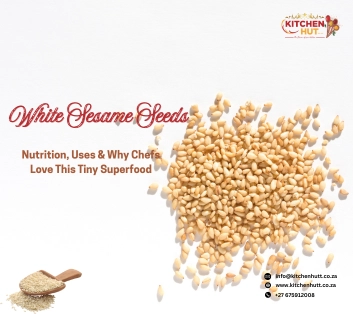
Small in size yet remarkably rich in nutrients and flavor, white sesame seeds have earned a special place in cuisines around the world. These tiny ivory-colored seeds are prized not only for their delicate nutty taste but also for their impressive nutritional profile and incredible versatility. From artisan breads and gourmet salads to traditional sweets, sauces, and spice blends, white sesame seeds add texture, aroma, and visual appeal to a wide variety of dishes.
Harvested from the Sesamum indicum plant, sesame seeds are among the oldest cultivated oilseeds in human history. Their long shelf life, high oil content, and abundance of beneficial nutrients have made them an essential ingredient in households, restaurants, bakeries, and food manufacturing industries across the globe.
Today, growing consumer interest in natural, minimally processed, and nutrient-rich ingredients has further increased the demand for premium-quality white sesame seeds. Whether used whole, roasted, or processed into sesame paste and oil, these tiny seeds continue to play an important role in modern cooking and healthy eating.
What Are White Sesame Seeds?
White sesame seeds are the hulled or naturally light-colored seeds obtained from the sesame plant. Their outer hull may be removed to produce a smoother texture and lighter appearance, making them particularly popular in baking, confectionery, and premium culinary applications.
Compared to black sesame seeds, white sesame seeds offer a milder flavor while maintaining excellent nutritional value. Their subtle nuttiness complements both sweet and savory recipes without overpowering other ingredients.
Premium-quality white sesame seeds are typically characterized by:
-
Uniform ivory-white color
-
Mild nutty aroma
-
Crisp texture
-
High oil content
-
Excellent purity
-
Low moisture
-
Minimal impurities
-
Long storage stability
Their attractive appearance also makes them a preferred garnish for many gourmet dishes.
A Rich Heritage That Spans Thousands of Years
Sesame has been cultivated for more than 5,000 years and is considered one of the world's oldest oilseed crops. Ancient civilizations in Asia, Africa, and the Middle East recognized sesame for its culinary value, natural oil, and ability to thrive in warm climates.
Historically, sesame seeds were used in:
-
Traditional breads
-
Herbal preparations
-
Religious ceremonies
-
Cooking oils
-
Sweet delicacies
-
Medicinal practices
-
Trade across ancient spice routes
Over time, sesame spread across Europe, the Americas, and other regions, becoming an indispensable ingredient in numerous cultural cuisines.
Today, white sesame seeds remain one of the most widely traded agricultural commodities in the global food industry.
Nutritional Profile of White Sesame Seeds
Despite their tiny size, white sesame seeds are packed with essential nutrients that contribute to a balanced diet.
They naturally contain:
-
Plant-based protein
-
Healthy unsaturated fats
-
Dietary fiber
-
Calcium
-
Iron
-
Magnesium
-
Phosphorus
-
Zinc
-
Copper
-
Potassium
-
Vitamin B complex
-
Vitamin E
They are also a natural source of beneficial plant compounds, including lignans and antioxidants that help support overall wellness.
Their combination of healthy fats, protein, and fiber makes them a satisfying addition to many meals.
Health Benefits of White Sesame Seeds
White sesame seeds have long been valued in traditional diets, and modern nutrition continues to recognize their contribution to healthy eating.
Supports Heart Health
White sesame seeds contain predominantly unsaturated fats, which can be part of a heart-friendly diet when consumed in moderation. Their healthy fat profile makes them a nutritious alternative to less desirable fat sources.
Promotes Strong Bones
Naturally rich in calcium, phosphorus, and magnesium, sesame seeds contribute to maintaining healthy bones and teeth as part of a balanced lifestyle.
Rich in Antioxidants
Sesame seeds contain natural antioxidants such as sesamin and sesamolin, along with vitamin E, which help protect cells from oxidative stress.
Good Source of Plant Protein
Vegetarians and vegans often include sesame seeds in their diets because they provide valuable plant-based protein that supports muscle maintenance and overall nutrition.
Supports Healthy Digestion
Their dietary fiber content may help promote regular digestion and contribute to digestive wellness when included in a fiber-rich diet.
May Support Healthy Cholesterol Levels
Research suggests that the healthy fats and naturally occurring plant compounds in sesame seeds may help support healthy cholesterol levels when combined with a balanced diet and active lifestyle.
Provides Essential Minerals
White sesame seeds are naturally rich in important minerals that support normal body functions, including energy production, immune function, and muscle health.
Why Chefs Love White Sesame Seeds
Professional chefs appreciate white sesame seeds because they offer much more than nutrition—they enhance the overall dining experience.
Their popularity stems from several qualities:
Elegant Appearance
The bright ivory color creates an attractive finishing touch on breads, sushi, salads, and desserts.
Pleasant Nutty Flavor
Their mild, slightly sweet taste complements countless ingredients without dominating the dish.
Excellent Texture
Whether raw or toasted, sesame seeds provide a satisfying crunch that enhances mouthfeel.
Culinary Flexibility
White sesame seeds work beautifully in baked goods, sauces, marinades, coatings, spice blends, and confectionery.
Consistent Quality
Premium-grade sesame seeds deliver reliable flavor, appearance, and performance in both commercial kitchens and food manufacturing.
Culinary Uses Around the World
One of the greatest strengths of white sesame seeds is their incredible versatility.
Bakery Products
Bakeries commonly use sesame seeds as toppings for:
-
Burger buns
-
Bread loaves
-
Bagels
-
Breadsticks
-
Crackers
-
Pretzels
-
Rolls
They provide visual appeal while adding subtle flavor and texture.
Asian Cuisine
Sesame seeds are essential in many Asian dishes, including:
-
Sushi
-
Stir-fries
-
Noodles
-
Rice bowls
-
Dumplings
-
Sesame chicken
-
Vegetable dishes
Toasted sesame seeds are especially popular for garnishing finished meals.
Middle Eastern Cuisine
White sesame seeds play a major role in:
-
Tahini
-
Hummus
-
Halva
-
Flatbreads
-
Falafel
-
Spice mixes
Tahini, made from ground sesame seeds, serves as a foundation for numerous traditional recipes.
Salads and Healthy Bowls
Modern healthy eating trends have increased the use of sesame seeds in:
-
Green salads
-
Grain bowls
-
Smoothie bowls
-
Roasted vegetables
-
Quinoa dishes
-
Avocado toast
They provide both nutrition and a pleasant crunch.
Desserts and Confectionery
Many sweet treats include white sesame seeds, such as:
-
Sesame brittle
-
Energy bars
-
Traditional sweets
-
Cookies
-
Candy
-
Granola
Their natural nutty flavor pairs well with honey, jaggery, chocolate, and dried fruits.
Spice Blends and Seasonings
White sesame seeds are frequently included in:
-
Dry seasoning blends
-
Furikake
-
Dukkah
-
Salad toppings
-
Gourmet spice mixes
They add texture while enhancing overall flavor complexity.
White Sesame Seeds in Food Manufacturing
Food manufacturers value white sesame seeds for their consistent quality and broad range of applications.
They are widely used in:
-
Bakery production
-
Snack foods
-
Breakfast cereals
-
Health foods
-
Nutrition bars
-
Sauces
-
Condiments
-
Frozen meals
-
Ready-to-eat products
-
Premium packaged foods
Their attractive appearance and nutritional value make them an excellent ingredient for modern food products.
How Premium White Sesame Seeds Are Processed
Producing high-quality sesame seeds requires careful attention throughout the supply chain.
Harvesting
Seeds are collected from mature sesame plants at the appropriate stage of ripeness.
Cleaning
Advanced cleaning equipment removes dust, stems, stones, and other foreign matter.
Hulling (When Required)
The outer hull may be removed to create a cleaner appearance and smoother texture.
Sorting
Seeds are sorted by size, color, and quality using specialized equipment.
Quality Inspection
Each batch undergoes testing for:
-
Purity
-
Moisture
-
Color consistency
-
Foreign matter
-
Food safety standards
Hygienic Packaging
Finished seeds are packed in food-grade, moisture-resistant packaging to maintain freshness and quality.
Characteristics of Premium White Sesame Seeds
High-quality white sesame seeds should exhibit:
-
Bright ivory-white color
-
Uniform size
-
Fresh nutty aroma
-
Crisp texture
-
High oil content
-
Low moisture
-
Excellent cleanliness
-
Minimal broken seeds
-
No artificial additives
-
No foreign impurities
Reliable quality ensures superior performance across culinary and commercial applications.
Storage Tips
Proper storage helps preserve the freshness and nutritional quality of sesame seeds.
For best results:
-
Store in airtight containers.
-
Keep away from direct sunlight.
-
Avoid exposure to humidity.
-
Maintain a cool, dry environment.
-
Use clean utensils when handling.
-
Seal packaging tightly after each use.
Refrigeration or freezing can further extend shelf life, especially in warm climates.
Rising Global Demand
Consumer preferences continue shifting toward wholesome, natural ingredients, increasing worldwide demand for white sesame seeds.
Several factors are driving this growth:
-
Expansion of health-conscious diets
-
Increased bakery production
-
Popularity of plant-based foods
-
Growth of international cuisines
-
Rising demand for functional ingredients
-
Clean-label food manufacturing
-
Expansion of premium snack products
These trends make sesame seeds an increasingly valuable agricultural commodity.
Choosing a Trusted White Sesame Seed Supplier
Businesses sourcing sesame seeds should partner with suppliers that prioritize quality, consistency, and food safety.
Important considerations include:
-
Carefully selected raw materials
-
Modern processing facilities
-
Strict hygiene standards
-
Consistent quality control
-
Bulk supply capability
-
Food safety certifications
-
Timely deliveries
-
Export expertise
-
Traceability throughout the supply chain
-
Flexible packaging options
A dependable supplier helps ensure product consistency and long-term business success.
Sustainability in Sesame Cultivation
Responsible farming practices are becoming increasingly important throughout the global food industry. Sustainable sesame cultivation focuses on efficient water use, soil health, responsible harvesting, and environmentally conscious processing methods.
Many producers also work closely with farming communities to encourage good agricultural practices, improve crop quality, and maintain traceability from farm to finished product. These initiatives support both environmental sustainability and consistent product standards.
Conclusion
White sesame seeds are a perfect example of how a small ingredient can make a significant impact. Their delicate nutty flavor, crisp texture, attractive appearance, and exceptional nutritional value have made them an indispensable ingredient in cuisines across the world.
From artisan bakeries and gourmet restaurants to large-scale food manufacturing, white sesame seeds continue to enhance both flavor and nutrition in countless recipes. Their versatility allows them to complement everything from breads and salads to sauces, desserts, and health-focused foods.
As consumers increasingly seek natural, nutrient-dense, and minimally processed ingredients, white sesame seeds remain a preferred choice for chefs, food manufacturers, wholesalers, and retailers alike. Choosing premium-quality white sesame seeds ensures consistent flavor, superior appearance, and dependable performance, making this tiny superfood a timeless favorite in kitchens and food industries around the globe.
Note: We are just providing information, not a suggestion. Please consult your doctor before using it.