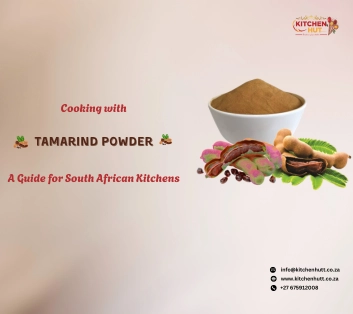
Tamarind powder is a flexible culinary ingredient that adds a distinctive sour and refreshing taste to a wide range of dishes. Derived from dried tamarind pulp, this fine powder captures the distinctive sweet-and-sour taste of tamarind fruit in a convenient, easy-to-store form. While tamarind has long been a staple in Asian, Indian, and Middle Eastern cuisines, it is increasingly gaining popularity in South African kitchens as home cooks and chefs explore new ways to enhance flavor.
South Africa’s vibrant culinary landscape blends traditional African flavors with influences from Indian, Cape Malay, and global cuisines. Tamarind powder fits naturally into this diverse food culture, adding depth, balance, and brightness to both classic and modern recipes.
This guide explores how tamarind powder can be used in everyday cooking, why it works so well in South African dishes, and how to incorporate it into meals for a delicious, tangy twist.
What Is Tamarind Powder?
Tamarind powder is produced by drying and grinding the pulp of the tamarind fruit (Tamarindus indica). Tamarind trees grow in tropical climates, and their pods contain a sticky, dark pulp known for its sour and slightly sweet taste.
Traditionally, cooks used fresh tamarind pulp by soaking it in water and extracting the juice. Tamarind powder simplifies this process, allowing cooks to add flavor instantly without preparation.
The powder has a rich brown color and a tangy taste that enhances many dishes. Because it is concentrated, even a small amount can provide noticeable flavor.
Why Tamarind Powder Is Ideal for South African Cooking
South African cuisine is known for its bold flavors, rich spices, and balanced combinations of sweet, spicy, and savory ingredients. Tamarind powder complements these flavor profiles perfectly.
Balancing Flavors
One of the key roles of tamarind powder in cooking is to balance flavors. Its natural acidity helps cut through rich or fatty dishes while enhancing the overall taste.
In meals that include spices, meats, or hearty sauces, tamarind adds brightness and depth.
Enhancing Traditional Recipes
Many South African recipes already include sour ingredients such as vinegar, lemon juice, or tomatoes. Tamarind powder can be used as an alternative or additional ingredient to provide a deeper, more complex, tangy flavor.
Popular Ways to Use Tamarind Powder
Tamarind powder can be used in a variety of dishes, making it a valuable ingredient for everyday cooking.
Marinades
Tamarind powder works well in marinades for meat, poultry, and seafood. When mixed with spices, garlic powder, ginger powder, and oil, it helps tenderize proteins while adding a subtle sour note.
In South African cooking, tamarind marinades are excellent for:
-
Braai-style grilled chicken
-
Beef or lamb skewers
-
Seafood dishes
The tanginess enhances the smoky flavors created during grilling.
Sauces and Gravies
Many sauces benefit from a hint of acidity. Tamarind powder can be added to sauces to create a balanced flavor profile.
For example, it works well in:
-
Tomato-based sauces
-
Spicy chutneys
-
Savory gravies
Just a small amount can transform a simple sauce into a more vibrant and flavorful dish.
Curries and Stews
South Africa has a strong tradition of curry dishes influenced by Indian cuisine. Tamarind powder is commonly used in curries to balance spice and richness.
Adding tamarind powder to curries provides:
-
A tangy depth of flavor
-
Enhanced spice balance
-
A brighter overall taste
It complements vegetable curries, lentil-based meals, and seafood stews exceptionally well, enhancing their depth of flavor.
Chutneys and Condiments
Tamarind powder is an excellent ingredient for making chutneys and condiments. Its natural sourness blends well with sugar, spices, and fruits.
In South African kitchens, tamarind chutney can accompany:
-
Grilled meats
-
Samosas and snacks
-
Sandwiches and wraps
These condiments add both flavor and complexity to meals.
Soups
Adding tamarind powder to soups can give them a refreshing tang that balances rich ingredients.
It works especially well in:
-
Vegetable soups
-
Bean soups
-
Spicy broth-based dishes
The sour note helps lighten the overall taste of the soup.
Tamarind Powder in Street Food and Snacks
Street food culture in South Africa often features bold and exciting flavors. Tamarind powder is perfect for enhancing snacks such as:
-
Fried snacks
-
Savory pastries
-
Spiced nuts
-
Chaat-style dishes
It can also be mixed with seasoning blends to add a tangy twist to snack foods.
How to Use Tamarind Powder Correctly
Because tamarind powder is concentrated, it should be used in moderation.
Tips for Cooking
-
Begin with a small quantity and gradually increase it according to your preferred taste.
-
Mix the powder with water to create a tamarind paste before adding it to dishes.
-
Add it during the cooking process so the flavor blends with other ingredients.
Using the right quantity ensures that the sourness enhances rather than overwhelms the dish.
Health and Nutritional Value
Tamarind is not only valued for its flavor but also for its nutritional content. Tamarind powder contains several nutrients and plant compounds that contribute to overall wellness.
Some benefits traditionally associated with tamarind include:
-
Supporting digestion
-
Providing antioxidants
-
Contributing vitamins and minerals
-
Helping balance appetite
While tamarind powder is primarily used for culinary purposes, these additional benefits make it an appealing ingredient for health-conscious cooking.
Storage Tips
To maintain freshness and flavor, tamarind powder should be stored properly.
Recommended storage conditions include:
-
Airtight containers
-
Cool, dry environment
-
Protection from moisture and sunlight
Proper storage ensures the powder retains its tangy flavor and quality over time.
Growing Popularity in South African Kitchens
As South African cuisine continues to evolve, chefs and home cooks are experimenting with new ingredients and global flavors. Tamarind powder fits well into this trend because it offers both tradition and versatility.
Its ability to enhance savory dishes, create unique sauces, and balance strong spices makes it an exciting addition to everyday cooking.
Restaurants and food businesses are also using tamarind powder in innovative recipes, combining traditional techniques with modern culinary creativity.
Final Thoughts
Tamarind powder is a valuable ingredient that brings tangy depth and complexity to many dishes. For South African kitchens, it offers an opportunity to expand flavor profiles while maintaining the bold, vibrant character of local cuisine.
Whether used in marinades, curries, sauces, or chutneys, tamarind powder provides a simple way to elevate everyday meals. Its convenience, versatility, and distinctive taste make it an excellent addition to both home kitchens and professional culinary settings.
By experimenting with tamarind powder and incorporating it into familiar recipes, South African cooks can create dishes that are flavorful, balanced, and truly memorable.
Note: We are just providing information, not a suggestion. Please consult your doctor before using it.