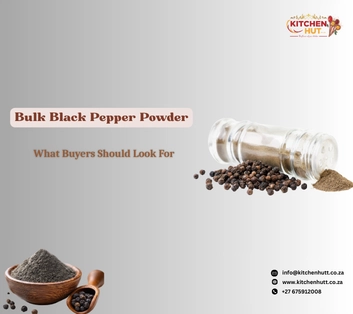
Black pepper powder ranks among the most commonly used spices worldwide. Known for its bold aroma and distinctive heat, it plays an essential role in cuisines across Asia, Africa, Europe, and the Americas. For restaurants, food manufacturers, caterers, and spice retailers, purchasing bulk black pepper powder is a practical way to ensure a consistent supply, maintain flavor standards, and control costs.
However, not all black pepper powder available in bulk markets offers the same quality. Buyers must evaluate several factors before making purchasing decisions. From sourcing and processing to purity and packaging, choosing the right supplier and product can significantly impact the final taste, safety, and performance of the spice.
This guide explains what buyers should look for when purchasing bulk black pepper powder and how to ensure the product meets professional and commercial standards.
Understanding Black Pepper Powder
Black pepper powder is made by grinding dried black peppercorns obtained from the pepper plant (Piper nigrum). Peppercorns are harvested when the berries are mature but still green, then dried until they become dark and wrinkled. Once dried, they can be sold whole or ground into powder.
Grinding peppercorns produces a fine spice that is easier to blend into recipes, sauces, marinades, and seasoning mixes. This powdered form is especially useful for large kitchens and food manufacturing facilities where speed and consistency are important.
Why Bulk Black Pepper Powder Is Preferred
Businesses often choose bulk packaging because it offers both economic and operational benefits.
Cost Efficiency
Buying in bulk reduces the cost per kilogram compared to retail packs. This helps restaurants and manufacturers control ingredient expenses while maintaining a consistent supply.
Consistent Flavor
Bulk black pepper powder sourced from reputable suppliers provides consistent heat, aroma, and quality across batches. This ensures dishes and food products taste the same every time.
Convenience for High-Volume Use
Large kitchens and production facilities require spices in larger quantities. Bulk packaging simplifies procurement and reduces the frequency of reordering.
Key Quality Factors Buyers Should Consider
1. Source of Peppercorns
The quality of black pepper powder begins with the peppercorns used to produce it. High-quality peppercorns are typically sourced from regions known for their pepper cultivation, where climate and soil conditions support the development of strong flavor.
When purchasing bulk pepper powder, buyers should confirm that the peppercorns come from reliable farming sources and have been handled properly during harvesting and drying.
2. Aroma and Flavor Strength
A good black pepper powder should have a strong, fresh aroma and a noticeable pungent taste. Pepper that smells weak or stale may indicate old stock or poor storage conditions.
The aroma should be warm, sharp, and slightly woody. These sensory characteristics are signs of a high concentration of natural pepper oils, which contribute to flavor intensity.
3. Color and Appearance
High-quality black pepper powder usually appears dark brown to greyish black. Uniform color indicates proper grinding and minimal contamination.
If the powder appears very pale or uneven in color, it may suggest dilution, poor processing, or excessive exposure to air and light.
4. Purity and Adulteration
Purity is one of the most critical factors when buying spices in bulk. Black pepper powder should ideally contain 100% ground black peppercorns with no fillers or additives.
Some low-grade powders may be mixed with starch, husks, or other materials to increase volume. Buyers should request product specifications or quality documentation to verify purity.
Processing and Grinding Standards
The grinding process has a major influence on quality.
Proper Grinding Techniques
Peppercorns should be thoroughly cleaned before grinding to remove dust, stones, and other foreign particles. After cleaning, the peppercorns are milled using controlled grinding equipment to produce a fine, uniform powder.
Excessive heat during grinding can damage essential oils and reduce flavor. High-quality producers use equipment designed to preserve the spice’s natural aroma.
Particle Size Consistency
For food production and seasoning blends, uniform particle size is important. Consistent grinding ensures the spice disperses evenly in recipes and delivers balanced flavor throughout the dish.
Moisture Content and Shelf Stability
Moisture levels affect both shelf life and safety.
Black pepper powder should have low moisture content, which prevents microbial growth and preserves quality during storage. Excess moisture can cause clumping, spoilage, or mold formation.
Reliable suppliers test moisture levels and ensure spices are properly dried before packaging.
Microbiological Safety
Food safety standards are especially important when buying spices in large quantities.
Bulk black pepper powder should meet accepted microbiological limits for:
-
Total plate count
-
Yeast and mold
-
Coliform bacteria
-
Pathogens such as Salmonella
Reputable suppliers perform routine laboratory testing to ensure the spice meets food safety regulations.
Packaging for Bulk Distribution
Packaging plays an essential role in protecting the spice during transportation and storage.
Ideal Bulk Packaging Features
-
Food-grade packaging materials
-
Moisture-proof inner liners
-
Strong outer bags or containers
-
Proper sealing to prevent contamination
Packaging should protect the powder from air, moisture, light, and pests, which can degrade quality.
Storage Conditions for Bulk Buyers
Even high-quality black pepper powder can lose flavor if stored improperly.
Recommended Storage Practices
-
Store in a cool, dry environment
-
Avoid direct sunlight
-
Keep containers tightly sealed
-
Maintain good warehouse hygiene
Proper storage preserves aroma and prevents spoilage.
Importance of Reliable Suppliers
The supplier plays a critical role in maintaining consistent quality. When choosing a bulk spice supplier, buyers should evaluate several factors:
-
Quality assurance procedures
-
Consistency across batches
-
Compliance with food safety standards
-
Reliable delivery and logistics
-
Transparent product documentation
Working with a trusted supplier helps businesses avoid quality issues and supply disruptions.
Applications of Bulk Black Pepper Powder
Black pepper powder is used extensively across the food industry.
Restaurants and Catering
Professional kitchens incorporate black pepper powder into soups, sauces, marinades, grilled meats, and vegetable preparations to enhance flavor and aroma.
Food Manufacturing
Manufacturers incorporate it into seasoning blends, instant foods, snacks, sauces, and ready-to-eat meals.
Retail Spice Blending
Spice companies purchase bulk black pepper powder to create custom blends for retail packaging.
Because of its universal flavor compatibility, black pepper powder remains one of the most demanded spices worldwide.
Market Demand for Black Pepper Powder
Global demand for black pepper continues to grow due to expanding food industries and increasing consumer preference for bold flavors.
Restaurants, packaged food brands, and international cuisine trends all contribute to this demand. As a result, bulk purchasing has become a common strategy for businesses seeking consistent supply and competitive pricing.
Final Thoughts
Bulk black pepper powder is a vital ingredient for businesses involved in food preparation and manufacturing. Its ability to enhance flavor, provide balanced heat, and blend seamlessly into recipes makes it indispensable across cuisines and industries.
However, buyers should carefully evaluate factors such as peppercorn sourcing, aroma, purity, grinding quality, moisture levels, packaging, and supplier reliability. Paying attention to these details ensures the spice delivers the expected flavor, safety, and performance.
Choosing high-quality bulk black pepper powder not only improves the taste of food products but also supports efficient production, consistent recipes, and customer satisfaction. By working with reliable suppliers and maintaining proper storage practices, businesses can maximize the value and versatility of this essential spice.